
Isostatic pressing vs vibro casting: which process suits your melt
By the Magna technical team · August 2026 · 1 min read
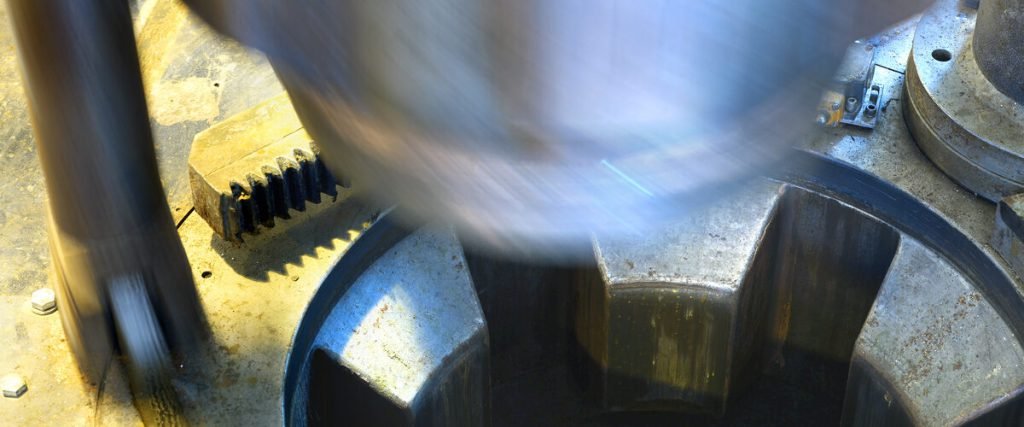
Isostatic pressing applies equal pressure from every direction, producing a uniform, dense wall that behaves consistently from the first melt to the last. It suits the full material range and capacities up to around 370 kg.
Vibro casting builds larger shapes by vibrating a castable body into a mould, and takes alumina crucibles up to 1,000 kg of steel. The right route depends on your capacity, material and how the crucible is used.
Related articles
All insights
Process
May 6, 2026
Isostatic pressing vs vibro casting: which process suits your melt
How the two forming routes differ, and when each is the right choice for your capacity and material.
 Material selection
August 28, 2026
How to choose the right crucible material for your alloy
Alumina, chrome alumina, zirconia or magnesia: how alloy, temperature and process decide the right crucible.
 Material selection
August 28, 2026
What causes inclusions in the melt, and how to reduce them
Where casting inclusions come from, and how a dense, non-wetting crucible keeps the metal clean.
Specify the right crucible for your application
Send the alloy, volume and process you're working with, and our technical team will specify the right crucible.
- Reply from a technical specialist within one working day
- Drawings and specifications welcome
- No obligation