
What causes inclusions in the melt, and how to reduce them
By the Magna technical team · May 2026 · 1 min read
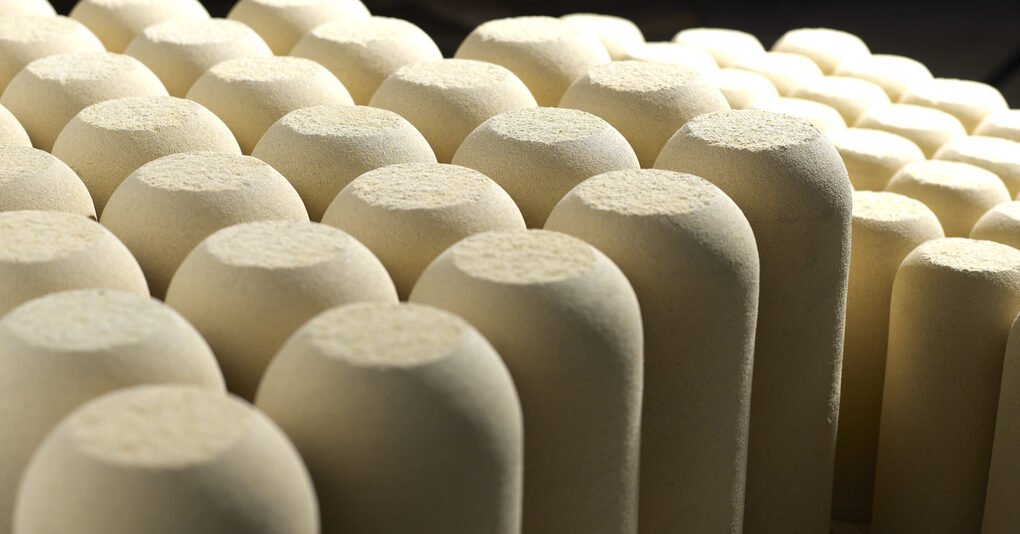
Inclusions are the small non-metallic particles that end up in a casting and show as defects after machining. Some come from the alloy and the melt practice, but the crucible itself is a common source when its wall is porous or reactive with the metal.
A dense, low porosity body with a non-wetting surface sheds far less into the melt. That is why wall density and surface finish matter as much as the headline chemistry when you are chasing a lower scrap rate.
Related articles
All insights Material selection
August 28, 2026
How to choose the right crucible material for your alloy
Alumina, chrome alumina, zirconia or magnesia: how alloy, temperature and process decide the right crucible.
Material selection
August 28, 2026
What causes inclusions in the melt, and how to reduce them
Where casting inclusions come from, and how a dense, non-wetting crucible keeps the metal clean.
 Material selection
August 28, 2026
Backing mixes explained: matching the packing to the crucible
How a matched thermal expansion keeps the crucible supported, for longer life and cleaner melts.
Specify the right crucible for your application
Send the alloy, volume and process you're working with, and our technical team will specify the right crucible.
- Reply from a technical specialist within one working day
- Drawings and specifications welcome
- No obligation